

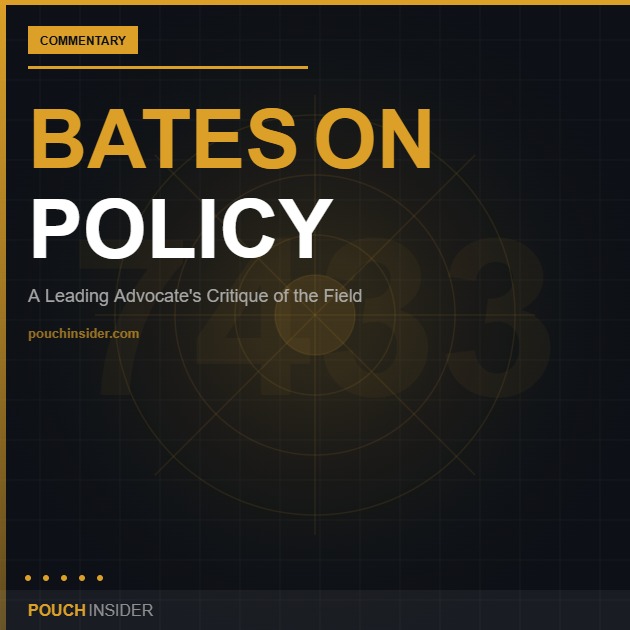

Clive Bates is one of the more interesting voices in nicotine policy discourse — a former director of Action on Smoking and Health who has become one of the tobacco control establishment’s most persistent critics on harm reduction. His critique is not that tobacco control is wrong to want to reduce smoking; it is that the field has adopted positions on alternative products that are inconsistent with its own stated goals and that actively harm the people it purports to protect.
Bates’s central argument is that the nicotine abstinence goal — eliminating all nicotine use as the endpoint of tobacco policy — is both scientifically unsupported and counterproductive. The science on nicotine itself, delivered through clean mechanisms, does not support treating it as a primary health threat. The health burden of tobacco comes from combustion, from tobacco-specific carcinogens, from carbon monoxide — not from nicotine per se. Pursuing nicotine abstinence as a policy goal conflates these things in ways that disadvantage the harm reduction alternatives that could make a meaningful difference to public health outcomes.
His critique of the WHO is particularly pointed. Bates has written extensively about the ways in which the Framework Convention on Tobacco Control has been interpreted and applied in ways that obstruct rather than promote harm reduction. The FCTC’s structural bias toward restriction — partly a product of its origins before alternative products existed as significant categories — has been amplified by ideological commitments within the WHO bureaucracy and among the NGO community that influences FCTC processes.
On nicotine pouches specifically, Bates has been relatively supportive, seeing them as a reasonable addition to the toolkit of lower-risk alternatives that should be available to adult smokers. He is not uncritical — he takes the youth access question seriously and has criticised marketing practices that he considers inappropriate. But his overall position is that the appropriate regulatory response to pouches is calibrated oversight, not the default precautionary restriction that dominates current policy conversations.
Whether Bates’s critique influences the field he came from remains to be seen. His work is influential among harm reduction advocates and some researchers, but the institutional tobacco control ecosystem has largely maintained its opposition to the positions he advocates. The debate is likely to continue as the evidence base develops and the policy stakes increase.